


A GNSS chip is a type of chip that integrates the reception and processing functions of the Global Navigation Satellite System (GNSS).
It determines the user's precise location by receiving signals transmitted by satellites and calculating based on the satellites' position and time information. It is widely used in fields such as navigation, sailing, mapping, and mobile communications.
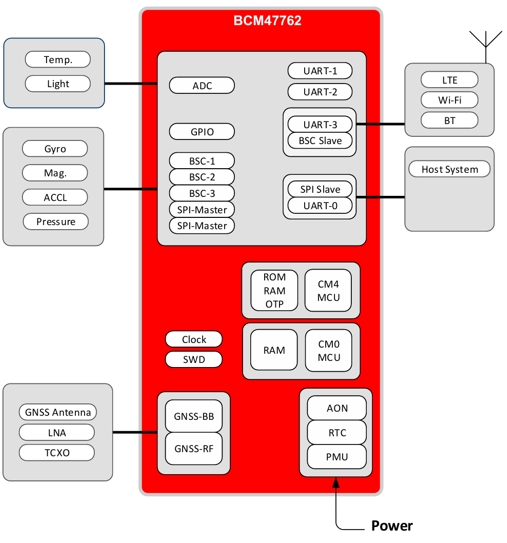
Today, through our DadaTong platform, we are introducing two Synaptics GNSS chips specifically designed for wearable devices: the single-frequency L1 SYN47762 and the dual-frequency L1+L5 SYN47768.

Before discussing the two chips mentioned above, let's first outline the market advantages of Synaptics GNSS chips:
- High-precision positioning capabilityThe chip supports multi-band reception, including L1 and L5, significantly improving positioning accuracy in complex environments. It is highly suitable for application scenarios that demand high location accuracy.
- Low power consumption featureThrough optimized energy consumption management technology, the battery life of devices has been effectively extended, making it particularly suitable for battery-sensitive devices such as mobile terminals and IoT devices.
- Extensive system compatibilitySupports multiple satellite navigation systems such as GPS, GLONASS, Galileo, and BeiDou, enhancing its positioning reliability and coverage on a global scale.
- Hardware acceleration and intelligent algorithm applicationUtilize hardware acceleration technology to process GNSS data quickly, and combine it with optimized signal tracking and anti-interference algorithms to ensure good performance even in weak signal environments.
- Comprehensive technical support systemProvide comprehensive technical documentation, software development kits (SDKs), and a complete toolchain to help developers efficiently integrate and optimize GNSS functionality, thereby shortening the product development cycle.
- Product lifecycle stabilityBroadcom chips are known for their extended market supply cycles, ensuring high reliability and continuous support, effectively reducing the potential risks associated with chip discontinuation.
- Advanced manufacturing processesBy adopting advanced process technologies, such as the 28nm process, the chip achieves a smaller size, lower power consumption, and enhanced performance, making it capable of meeting diverse application requirements.
The following is an overview of the characteristics of these two ICs:
Common characteristics of SYN47762 and SYN47768:
- Latest technologyUtilizes Synaptics' sensor hub microcontroller integrated with GNSS.
- Navigation performanceProvides the highest level of navigation performance.
- Multi-sensor supportIncludes multiple sensor hubs and GNSS innovative features.
- Integrated benefitsIntegrate the synergistic benefits of multiple ICs into a single chip.
- Storage capacityEquipped with 1 MB of ROM.
- Manufacturing processManufactured using 28nm technology.
- Global Satellite Data SupportSupports multiple satellite data systems, including GPS, GLONASS (GLO), BeiDou (BDS), Galileo (GAL), SBAS, and QZSS.
Synaptics SYN47762:
- Dual-processor architectureAdopts a dual-processor architecture with Arm Cortex-M4 and Cortex-M0.
- Single frequency supportSupports the L1 frequency band.
- Independent algorithm operationAll algorithms run on their own chips, reducing the demand on the main controller's performance.
- Low power consumptionFeatures low power consumption.
Synaptics SYN47768:
- Single-processor architectureAdopts Arm Cortex-M4 and Cortex-M0 single-processor architecture.
- Dual-band supportSupports L1 and L5 frequency bands.
- A large-scale parallel search engine equipped with an independent tracking engine.
- Ultra-low power consumption design.
- The algorithm runs on the main control unit and has specific requirements for the performance of the main control.
FAQ1: Can you recommend a good GNSS chip solution? What factors should I consider?
First is performance, which includes reception sensitivity, positioning accuracy, signal stability, and so on.
Secondly, power consumption is crucial because many devices are portable, and low power consumption is very important.
Compatibility also needs to be considered—whether to support multiple GNSS systems (such as GPS, GLONASS, Galileo, and BeiDou) or just one. Additionally, factors like the chip's size, cost, and the manufacturer's technical support also come into play.
FAQ2: What are some well-known GNSS chip suppliers in the market?
Companies like Synaptics, Qualcomm, STMicroelectronics, u-blox, and Mediatek all have related products.
Each company's chips may have different features and advantages.
FAQ3: What are the common GNSS systems?
GPS (United States): The earliest global satellite navigation system, widely used in both civilian and military fields.
GLONASS (Russia): Offers high precision and reliability, suitable for special environments such as polar regions.
Galileo (EU): Focuses on civilian navigation, offering higher accuracy and availability.
BeiDou (China): Integrated short message communication functionality, serving global users.
FAQ4: What are the typical applications of GNSS?
Aviation navigation: Provides precise altitude and location information for aircraft.
Land transportation: Used for vehicle navigation, logistics tracking, and more.
Maritime navigation: Assists ships in determining their position and route.
Agriculture: Achieve precision farming to optimize cultivation efficiency.
FAQ5: What are the challenges in the application of GNSS?
Signal interference: Factors like electromagnetic interference and spoofed signals may affect performance.
Urban canyon effect: Signal limitations in environments with skyscrapers and tall buildings.
Laws and Regulations: Different countries have specific regulations regarding the use of GNSS.
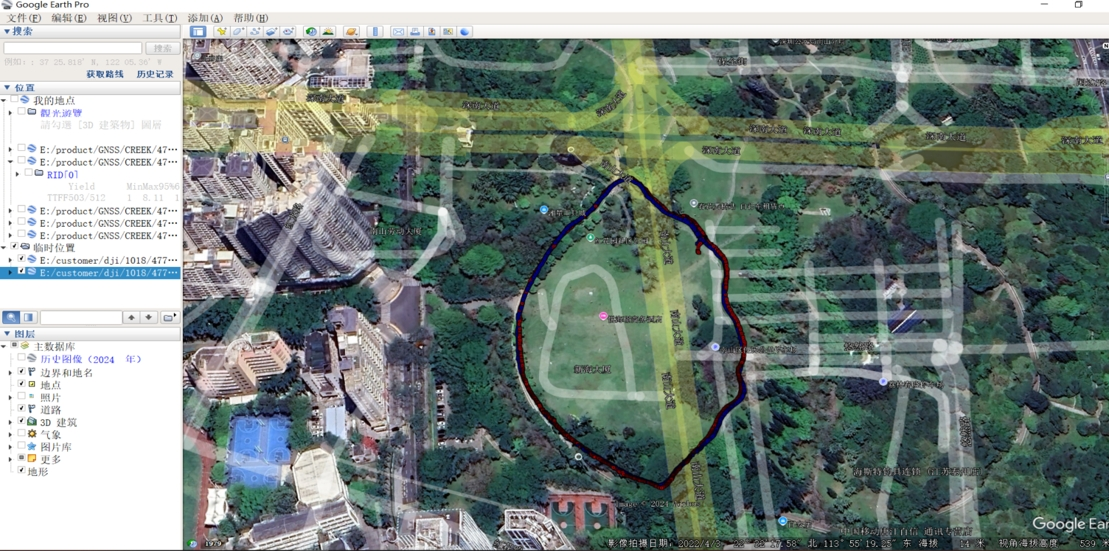
►场景应用图
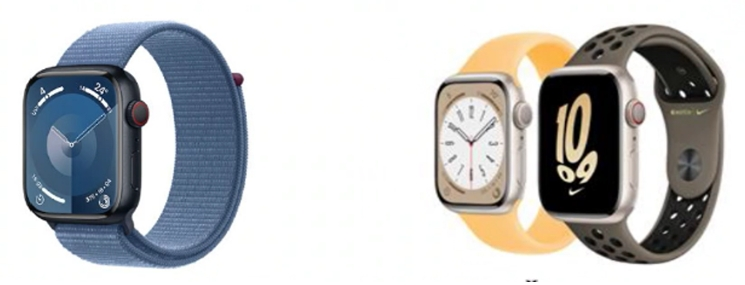
►产品实体图
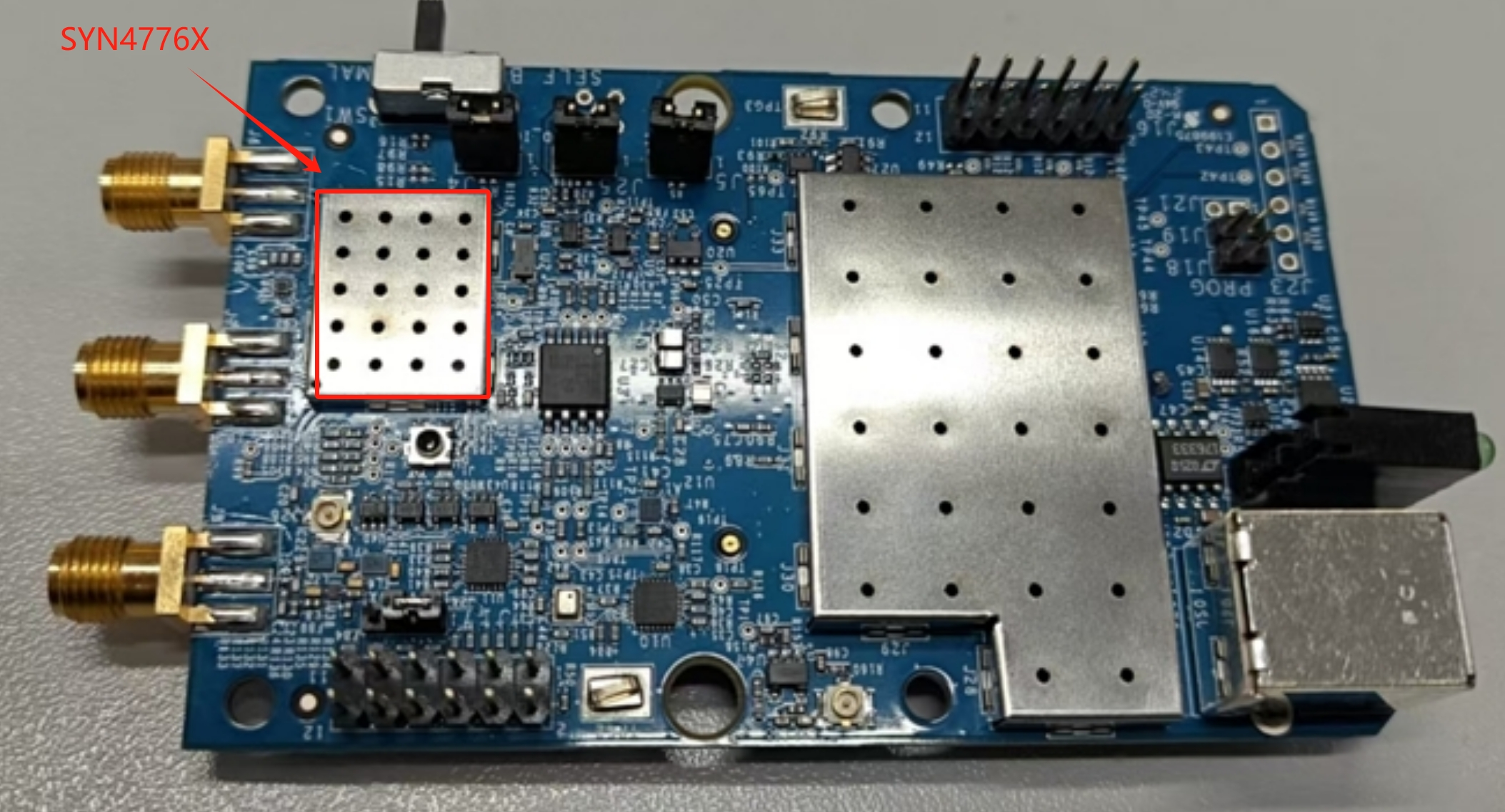
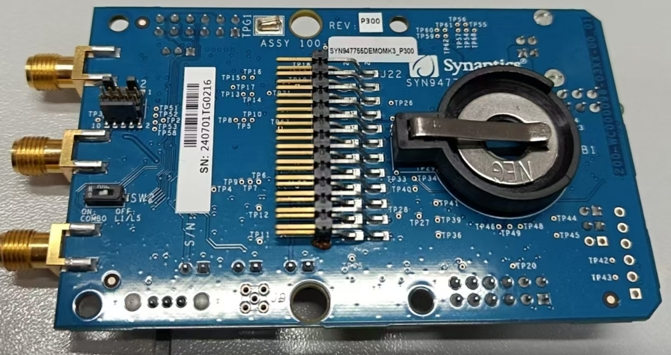
►展示板照片
►方案方块图
►核心技术优势
These two chips have the following significant advantages in terms of product features: 1. **Exclusive LTO Service**: Synaptics provides its proprietary LTO (Long Term Orbits) service, while other brands rely on third-party services. 1) It has a globally self-built satellite receiving station system, ensuring control over raw data. 2) Based on real-time ephemeris data, it can provide up to 7 days of full constellation prediction data. Compared to competitors using third-party data, which has a 24-hour delay in ephemeris collection, our solution is more timely and accurate. 2. **Fewer Peripheral Components**: The PCB layout occupies less space (saving up to 50% of circuit space compared to competitors), making it suitable for smaller products. 3. **Low Power Consumption**: Power consumption is only 10-20mW, offering significant energy-saving benefits. 4. **High-Precision Positioning**: Provides accurate positioning without deviation, with stable and reliable trajectory mapping. 5. **Good Compatibility**: The chip is not picky about the main controller and only requires support for UART or SPI interfaces. 6. **Multi-Brand Validation**: Adopted by several well-known major brands, such as Apple Watch, Xiaomi Watch, OPPO Watch, etc., with stability and reliability widely recognized.
►方案规格
1. Supported data interface types: SDIO and PCIE 2. Supported peripheral interfaces: SPI, UART, GPIO 3. Up to 49 programmable GPIOs 4. 1 MB ROM 5. Manufacturing process: 28nm 6. Chip applications: smartphones, tablets, mobile accessories, wearable devices, digital cameras